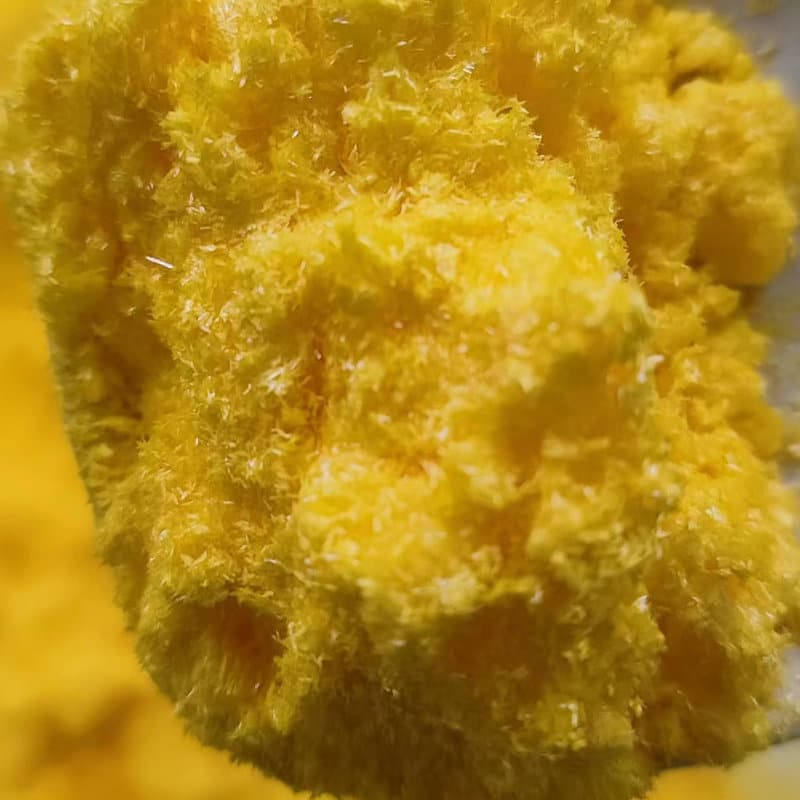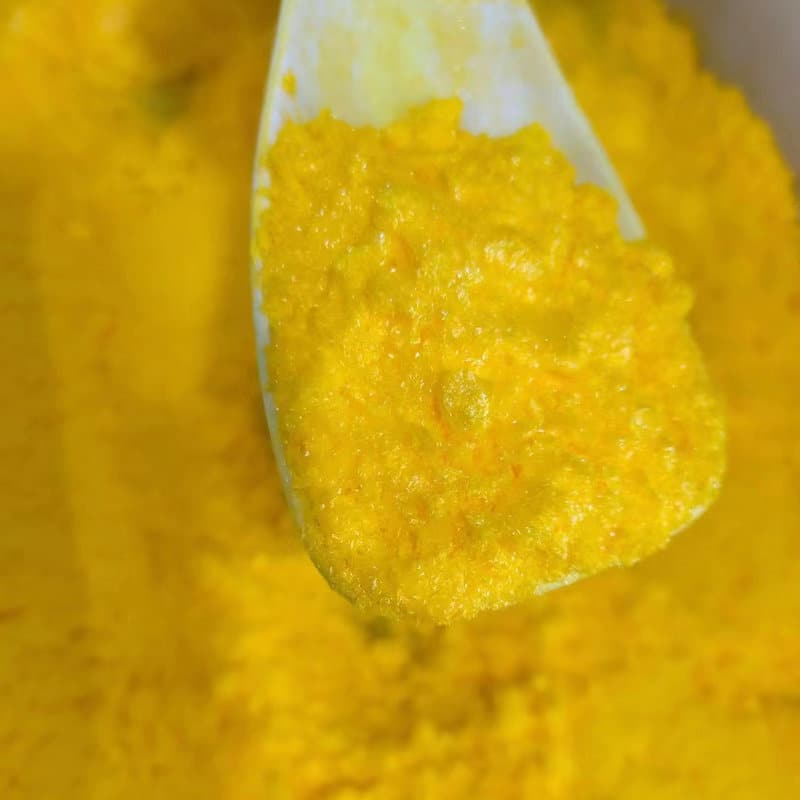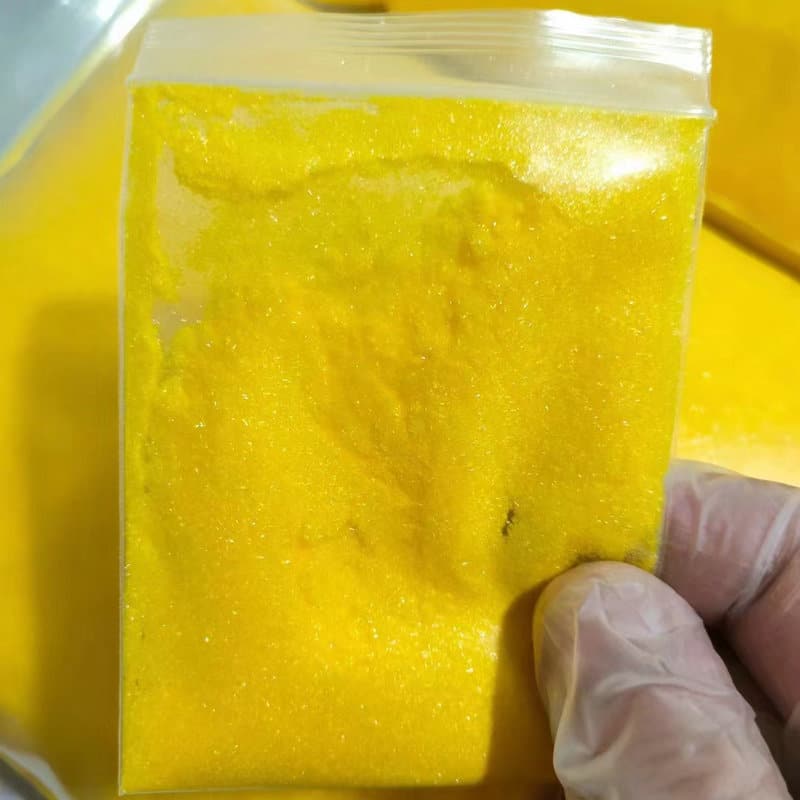
Retinol vs Retinal vs Retinoid: What's the Difference and Which Is Better?
Retinol, retinal, and retinoid are closely related skincare terms, but they do not mean exactly the same thing. Retinoid is the broad name for a family of vitamin A-related compounds. Retinol and retinal (retinaldehyde) are two specific members of that family. Both are commonly used in cosmetic skincare products to address fine lines, uneven skin tone, and skin texture.
The main difference between retinol and retinal is their chemical structure and the number of metabolic steps required to form retinoic acid. Retinol converts into retinal, while retinal can convert into retinoic acid through one additional oxidation step.
However, fewer conversion steps do not automatically mean that one finished skincare product will work faster or better than another. Concentration, formulation, ingredient stability, and individual skin tolerance also matter.
Retinol vs Retinal vs Retinoid: Quick Comparison
The following table summarizes the most important differences between these vitamin A ingredients.
| Feature | Retinol | Retinal | Retinoid |
|---|---|---|---|
| Definition | A specific vitamin A alcohol | A specific vitamin A aldehyde | A broad family of vitamin A-related compounds |
| Alternative name | Vitamin A1, all-trans-retinol | Retinaldehyde | Includes retinol, retinal, tretinoin, adapalene, and others |
| CAS number | 68-26-8 | 116-31-4 | No single CAS number |
| Molecular formula | C20H30O | C20H28O | Varies by compound |
| Conversion to retinoic acid | Two oxidation steps | One oxidation step | Depends on the specific retinoid |
| Typical applications | Cosmetic anti-aging and texture products | Cosmetic anti-aging and texture products | Cosmetic skincare and medical dermatology |
| Irritation potential | Possible dryness, peeling, and redness | Possible dryness, peeling, and redness | Varies significantly by compound and formulation |
| Availability | Commonly available over the counter | Commonly available in cosmetic products | Includes over-the-counter and prescription products |
Key takeaway: Retinol and retinal are both retinoids. The term "retinoid" describes a chemical family rather than one specific ingredient or potency level.
What Is Retinol?
Retinol is an alcohol form of vitamin A and one of the most widely recognized cosmetic retinoids.
Its chemical name is all-trans-retinol, and its molecular formula is C20H30O. Retinol has a molecular weight of approximately 286.45 g/mol.
After topical application, retinol can undergo enzymatic conversion into retinaldehyde and subsequently into retinoic acid. Retinoic acid interacts with nuclear retinoic acid receptors involved in regulating gene expression and skin biology.
What Does Retinol Do for Skin?
Retinol-containing formulations are commonly used to:
Improve the appearance of fine lines and wrinkles.
Support smoother-looking skin texture.
Improve uneven skin tone and visible pigmentation.
Address some concerns associated with photoaging.
Support a long-term cosmetic skincare routine.
Clinical evidence supports benefits from certain topical retinol formulations, although the size of the benefit varies between studies, concentrations, and delivery systems.
Who Should Consider Retinol?
Retinol may be a reasonable option for people starting a vitamin A skincare routine, particularly when they select a lower-strength formulation and introduce it gradually.
However, retinol is not guaranteed to be non-irritating. Even relatively low concentrations can cause dryness, redness, or peeling in susceptible individuals.
What Is Retinal (Retinaldehyde)?
Retinal, also known as retinaldehyde, is an aldehyde form of vitamin A. Its chemical formula is C20H28O, and its molecular weight is approximately 284.44 g/mol.
Retinal is structurally related to retinol but contains an aldehyde functional group instead of an alcohol group.
This chemical difference is important because retinal is an intermediate in the biochemical conversion of retinol into retinoic acid.
What Are the Benefits of Retinal?
Retinal-containing skincare products are used to target concerns including:
Fine lines and visible signs of photoaging.
Uneven-looking skin texture.
Irregular skin tone.
The appearance of dull skin.
Some blemish-prone skin concerns.
Retinal is often marketed as a more potent alternative to retinol because it is one metabolic step closer to retinoic acid.
Although this explanation is chemically correct, the real-world performance of a finished retinal formulation must be evaluated using appropriate clinical evidence.
Is Retinal Stronger Than Retinol?
Retinal is generally considered closer to retinoic acid in the conventional vitamin A metabolic pathway.
However, it would be misleading to claim that every retinal product is stronger than every retinol product.
A well-formulated retinol product may perform differently from a retinal product depending on concentration, delivery technology, stability, and frequency of application.
Likewise, retinal is not necessarily more irritating than retinol. Clinical reviews suggest that tolerability can be comparable under certain study conditions.
What Is a Retinoid?
Retinoid is the umbrella term for natural and synthetic compounds related to vitamin A. It does not describe one individual cosmetic ingredient.
Different retinoids vary in chemical structure, biological activity, availability, regulatory classification, and approved uses.
Common Types of Retinoids
| Retinoid | Category | Common Context |
|---|---|---|
| Retinyl Palmitate | Retinyl ester | Cosmetic skincare |
| Retinyl Propionate | Retinyl ester | Cosmetic skincare |
| Retinol | Vitamin A alcohol | Cosmetic skincare |
| Retinal | Vitamin A aldehyde | Cosmetic skincare |
| Tretinoin | All-trans-retinoic acid | Prescription dermatology in many markets |
| Adapalene | Synthetic retinoid | Acne treatment; regulatory status varies |
| Tazarotene | Synthetic retinoid | Prescription dermatology |
| Hydroxypinacolone Retinoate (HPR) | Retinoic acid ester derivative | Cosmetic formulation ingredient |
One important distinction is that not every retinoid follows the same conversion pathway. Some synthetic retinoids interact with retinoid receptors without first converting through retinol and retinal.
Therefore, it is scientifically incorrect to treat the entire retinoid family as a single strength category.
How Do Retinol and Retinal Convert into Retinoic Acid?
The conventional vitamin A metabolic pathway helps explain why retinol and retinal behave differently.
Retinyl Esters → Retinol → Retinal → Retinoic Acid
The conversion process can be understood in three stages:
Retinyl esters: Certain vitamin A ester compounds can be hydrolyzed to release retinol.
Retinol: Retinol can undergo oxidation to produce retinaldehyde.
Retinal: Retinaldehyde can undergo further oxidation to produce retinoic acid.
Retinoic acid is a biologically active signaling molecule involved in regulating cellular processes through retinoic acid receptors.
The conversion of retinol and retinal is enzyme-regulated. Some reactions are reversible, and the quantity of retinoic acid formed is not determined simply by counting metabolic steps.
This means that the familiar vitamin A conversion diagram is useful for understanding chemistry, but it should not be used as a precise formula for ranking the clinical effectiveness of different cosmetic products.
Retinol vs Retinal vs Prescription Retinoids: Which Is More Effective?
The answer depends on the specific ingredient, the skin concern, and the clinical evidence available for the formulation.
1. For Fine Lines and Wrinkles
Both retinol and retinal are used in cosmetic products designed to improve visible signs of aging.
Prescription tretinoin has substantial clinical evidence supporting its use for photoaged skin, although it can also cause irritation.
Retinol and retinal products may improve skin appearance, but they should not automatically be assumed to provide the same results as prescription treatments.
2. For Acne-Prone Skin
Topical retinoids are an established treatment category for acne. Dermatology guidelines recommend specific topical retinoid medications, including adapalene and tretinoin, in appropriate patients.
Cosmetic retinol and retinal products are not necessarily equivalent to approved acne medications, even if the ingredients share a biochemical relationship.
For persistent, inflammatory, or scarring acne, professional dermatological assessment is more appropriate than relying on cosmetic ingredient comparisons alone.
3. For Uneven Skin Tone
Retinoids may help improve certain pigmentation concerns and uneven-looking skin tone.
However, irritation itself can worsen discoloration, particularly in individuals susceptible to post-inflammatory hyperpigmentation.
Choosing a tolerable formulation and maintaining consistent sun protection can be as important as choosing a particular type of retinoid.
4. For Sensitive Skin
Neither retinol nor retinal is universally best for sensitive skin.
A lower concentration, gradual introduction, suitable moisturizer, and well-designed formula may help reduce irritation.
People with significant redness, eczema, or rosacea should consult a dermatologist before introducing potentially irritating retinoid products.
Retinol vs Retinal: Which One Should You Choose?
Choosing between retinol and retinal requires considering skin concerns, formulation quality, and personal tolerance.
| Skin Concern | Practical Recommendation |
|---|---|
| First-time vitamin A user | Consider a lower-strength retinol formulation introduced gradually. |
| Experienced retinol user | A retinal formulation may be worth considering if the current routine is well tolerated. |
| Visible fine lines | Both retinol and retinal may be options; assess the finished formulation and evidence. |
| Persistent acne | Seek advice about clinically established acne treatments such as appropriate topical retinoids. |
| Sensitive or reactive skin | Prioritize tolerability and professional guidance rather than ingredient potency claims. |
| Pregnancy or planning pregnancy | Avoid retinoids and consult a qualified healthcare professional about alternatives. |
Ultimately, an effective skincare routine is one that delivers meaningful benefits while remaining comfortable enough for consistent use.
How to Use Retinol or Retinal Safely
Retinol and retinal can cause temporary irritation, particularly during the early stages of use.
Dermatologists commonly recommend a gradual approach when introducing topical retinoids.
Start slowly: For many beginners, applying a product two or three evenings per week is a reasonable starting approach, depending on the product instructions.
Use a small amount: Follow the manufacturer's directions and avoid excessive application.
Apply to dry skin: Applying certain retinoid products to completely dry skin may improve tolerability.
Use moisturizer: A suitable moisturizer can help reduce dryness and support the skin barrier.
Protect your skin: Use broad-spectrum SPF 30 or higher sunscreen during the day and practice additional sun protection.
Avoid unnecessary layering: Combining several retinoids or multiple irritating active ingredients can increase dryness and irritation.
Watch for reactions: Persistent burning, severe redness, swelling, or marked irritation warrants stopping the product and obtaining medical advice.
Retinoids should be avoided during pregnancy, including cosmetic retinol products. People who are pregnant, planning pregnancy, or breastfeeding should seek individualized medical guidance.
Can You Use Retinol and Retinal Together?
Although retinol and retinal belong to the same ingredient family, combining them in a single routine is usually unnecessary for most consumers.
Both can contribute to retinoid activity in the skin, and applying multiple retinoid products may increase irritation without providing a clearly demonstrated additional benefit.
For most users, selecting one appropriate formulation and applying it consistently is a more practical approach.
Specialized multi-retinoid formulations should be assessed based on their finished-formula safety and efficacy data rather than the number of retinoid ingredients listed on the label.
Are Retinol and Retinal Equally Stable?
Retinol and retinal are chemically sensitive ingredients. Their stability may be affected by factors such as oxygen, light, heat, solvent environment, and formulation composition.
However, there is no universal rule establishing that every retinol formulation is more stable than every retinal formulation.
Manufacturers may use antioxidants, suitable packaging, controlled processing conditions, or encapsulation technologies to improve ingredient stability.
The actual shelf life of a finished product should be established using stability testing rather than inferred from the ingredient name alone.
Retinol, Retinal, and Retinoid Ingredients for Cosmetic Formulation
For cosmetic manufacturers and formulation developers, choosing a vitamin A ingredient involves more than comparing theoretical biological activity.
Important technical considerations include:
Ingredient identity and purity.
Appropriate concentration for the intended market.
Solubility and compatibility with other ingredients.
Stability during manufacturing and storage.
Packaging and protection from environmental exposure.
Finished-product irritation potential.
Applicable cosmetic regulations and product claims.
Supplier quality documentation and batch traceability.
Commonly evaluated cosmetic vitamin A ingredients include Retinol (CAS 68-26-8), Retinal (CAS 116-31-4), Retinyl Propionate (CAS 7069-42-3), and Hydroxypinacolone Retinoate (HPR, CAS 893412-73-2).
Because regulatory requirements vary by market, cosmetic formulators should verify permitted uses, concentration limits, safety assessment requirements, and labeling rules before launching a finished product.
Frequently Asked Questions About Retinol, Retinal, and Retinoids
Is retinol the same as a retinoid?
Retinol is a type of retinoid, but retinoid is a broader classification. The retinoid family also includes retinal, retinoic acid, retinyl esters, and several synthetic compounds.
Is retinal a retinoid?
Yes. Retinal, also called retinaldehyde, is a naturally occurring vitamin A-related compound classified as a retinoid.
Which is stronger, retinol or retinal?
Retinal is one metabolic step closer to retinoic acid than retinol. However, the effectiveness and irritation potential of finished products depend on their concentrations, stability, formulation, and clinical performance.
Is retinoid stronger than retinol?
Not necessarily. Retinol itself is a retinoid. Some prescription retinoid medications have stronger clinical effects than typical cosmetic retinol products, but "retinoid" alone does not indicate strength.
Does retinal work faster than retinol?
Retinal requires fewer oxidation steps to form retinoic acid. This creates a plausible biochemical basis for differences in activity, but it does not establish a universal difference in visible results or treatment speed between commercial products.
Is retinal better than retinol for wrinkles?
Both ingredients may improve visible signs of aging. The better option depends on clinical evidence for the formulation, its tolerability, and the individual's skincare needs.
Can beginners use retinal?
Some beginners may tolerate an appropriately formulated retinal product. However, those who are new to retinoids should consider lower-strength products and introduce them gradually.
Is tretinoin the same as retinol?
No. Tretinoin is all-trans-retinoic acid, while retinol is vitamin A alcohol. Tretinoin is used as a medicinal retinoid and acts through retinoic acid signaling without first requiring conversion from retinol.
Can retinol and retinal cause irritation?
Yes. Both can cause redness, dryness, peeling, and skin discomfort. Irritation depends on the specific formulation, concentration, application frequency, and individual skin response.
How long does it take to see results?
Visible improvements often require consistent use over several weeks or months. The timeline varies by skin concern, ingredient, concentration, formulation, and individual response. No fixed result timeline applies to every product.
Final Verdict: Retinol vs Retinal vs Retinoid
Retinol and retinal are specific ingredients within the broader retinoid family. Retinol requires two oxidation steps to become retinoic acid, while retinal requires one. Other retinoids, such as tretinoin and adapalene, have different chemical and pharmacological characteristics.
Retinol can be a practical starting ingredient for cosmetic skincare. Retinal is another option for individuals seeking vitamin A-based skincare and who tolerate the selected formulation. Prescription retinoids may be appropriate when supported by a medical indication and professional guidance.
The best choice is not determined by the ingredient name alone. Effective selection should consider the skin concern, concentration, scientific evidence, formulation quality, regulatory status, and individual tolerance.
Scientific References
American Academy of Dermatology Association. Retinoid or Retinol?
Use of Retinoids in Topical Antiaging Treatments: A Focused Review of Clinical Evidence for Conventional and Nanoformulations. Advances in Therapy, 2022.
Retinoic Acid and Its Derivatives in Skin. Scientific review, 2020.
Guidelines of Care for the Management of Acne Vulgaris. Journal of the American Academy of Dermatology, 2024.
American Academy of Dermatology Association. Dermatologist-Approved Pregnancy Skin Care.
Disclaimer: This article provides educational information about cosmetic ingredients and retinoid skincare. It is not a substitute for personalized medical advice.